
Supporting Meaningful Connection Through Communication and Play
Does your child have difficulty interacting with peers, joining play activities, maintaining conversations, or navigating social situations?
Social communication and play skills therapy helps children build the skills needed to connect, engage, and communicate more confidently with others. Sessions are individualized, relationship-based, and designed to support meaningful interactions through play and everyday experiences.
What Are Social Communication & Play Skills?
Social communication, also called pragmatic language, involves using language appropriately during interactions with others. These skills help children participate in conversations, build relationships, understand social cues, and navigate daily social situations.
Play is an important part of communication development. Through play, children learn how to share attention, problem solve, take turns, use imagination, and engage with others.
Therapy supports children in developing social confidence while honoring each child’s unique communication style and strengths.
Signs Your Child May Benefit From Therapy
Your child may benefit if they:
Have difficulty interacting with peers
Prefer to play alone most of the time
Struggle with turn-taking or flexible play
Have trouble initiating or maintaining conversations
Miss social cues or body language
Become overwhelmed in social situations
Have difficulty with pretend or imaginative play
Struggle with emotional regulation during interactions
Have difficulty understanding perspectives or expected social behaviors

What Therapy Looks Like
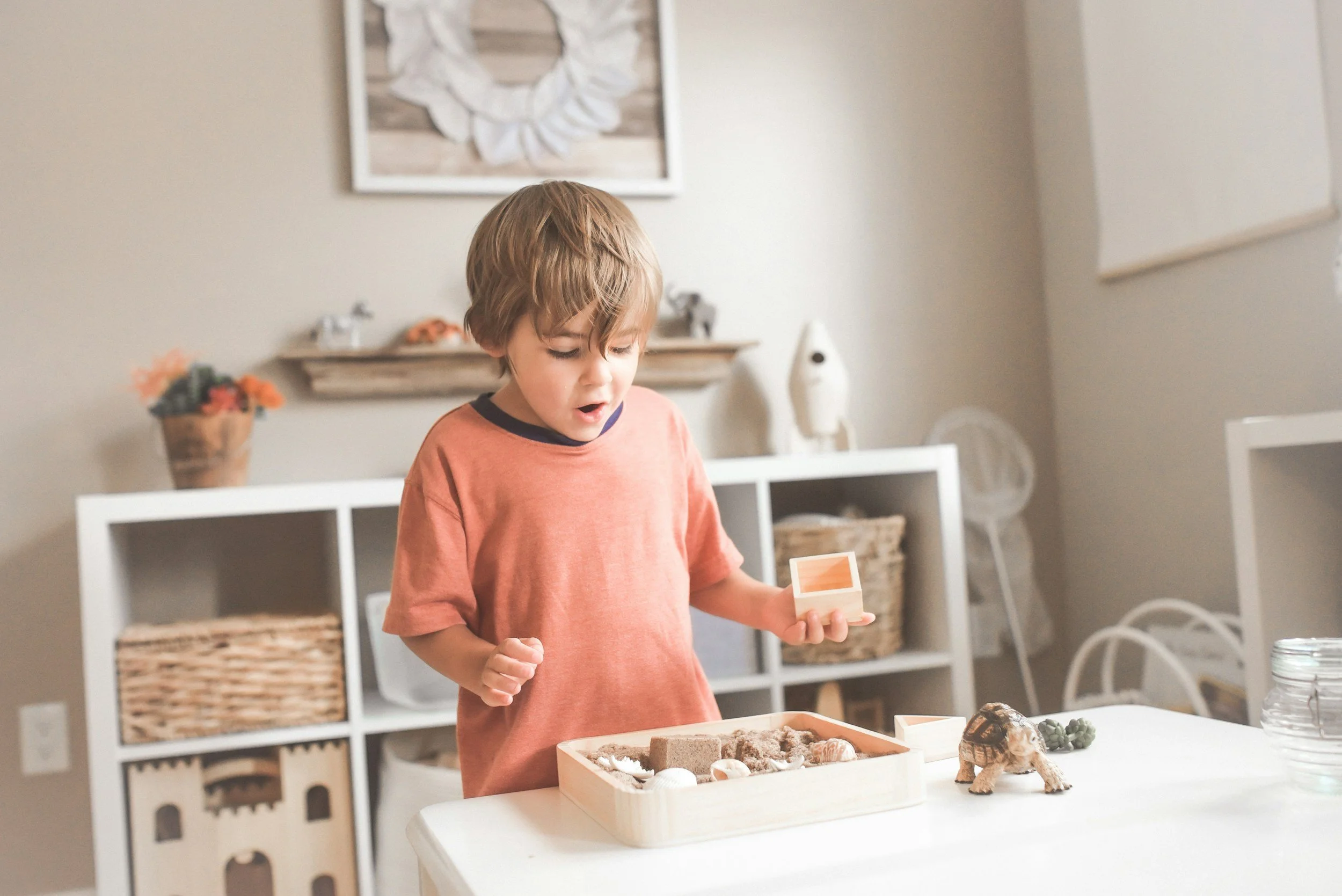
Sessions are engaging, play-based, and tailored to your child’s developmental level, interests, and communication goals.
Therapy may include:
Child-led and structured play activities
Games and social interaction practice
Role-playing and problem-solving
Peer interaction opportunities when appropriate
Visual supports and social narratives
Coaching for real-life communication situations
The goal is to help children build authentic, functional communication skills that support participation across home, school, and community settings.

Skills We May Target
Therapy goals are individualized and may include:
Turn-taking
Joint attention
Conversation skills
Asking and answering questions
Understanding social cues
Peer interaction
Emotional awareness and regulation
Flexible thinking
Problem-solving during play
Cooperative and imaginative play
Perspective-taking
Our Approach
We use a strengths-based, neurodiversity-affirming approach that values connection, regulation, and meaningful communication over “perfect” social performance.
Every child communicates differently, and therapy focuses on building confidence, understanding, and supportive interaction skills in a respectful and encouraging environment.
Parent collaboration is an important part of therapy, and families are supported with strategies to encourage connection and communication throughout daily routines.