
Helping Children Understand and Use Language With Confidence
-
Expressive language refers to how children use words, sentences, and gestures to communicate. Children may have difficulty finding words, answering questions, forming sentences, or clearly expressing wants, needs, and ideas.
-
Receptive language is the ability to understand spoken language. Difficulties may include following directions, understanding vocabulary, answering questions, or processing language during conversations and daily routines.
-
Social language (pragmatic language) involves using communication appropriately with others. This includes turn-taking, understanding social cues, maintaining conversations, and developing play and peer interaction skills.
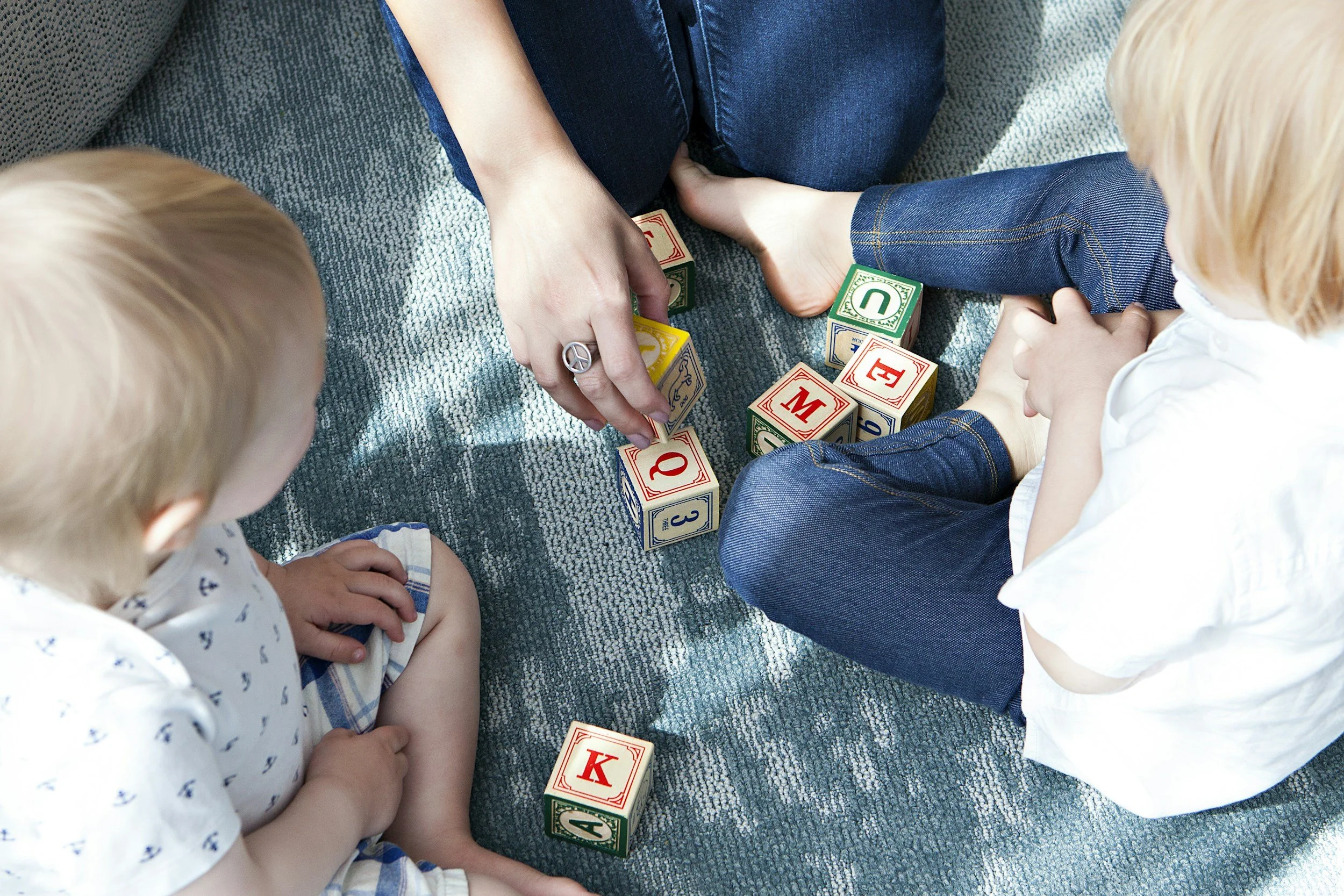
Language therapy supports children who have difficulty understanding spoken language, expressing their thoughts, following directions, answering questions, building vocabulary, or participating in conversations.
Areas We May Target
Understanding directions and questions
Following routines and daily language
Conversation and expressive language
Early language development for toddlers and preschoolers
Vocabulary development
Sentence structure and grammar
Storytelling and narrative skills
WH-questions (who, what, where, when, why)
What Does Therapy Look Like?
Therapy is engaging, interactive, and tailored to your child’s strengths and interests. We use games, books, movement, pretend play, visuals, and real-life communication opportunities to support progress. An evidenced-based, child-led approach combines your child’s interests with learning and growth. Sessions are individualized and play-based while targeting meaningful communication skills children can use at home, school, and in their community.
Who May Benefit from Language Therapy?
Children who:
Are late talkers
Struggle to express themselves
Have difficulty understanding language
Experience frustration during communication